
Philippine Inflation Jumps to 7.2% in April
The Philippines' overall inflation increased to 7.2 percent in April 2026 from 4.1 percent in March 2026. Here's what you need to know about the latest market development and how it may impact your investments.
Manila, Philippines (May 2026) – April inflation rose sharply to 7.2% year-on-year, well above market expectations (5.5%), previous month’s number (4.1%) and internal estimates (6.0%). Higher rice prices, fuel, and transport costs drove the increase. While an uptick in inflation was expected, the size of the jump surprised many. This reading suggests that second round effects are spreading more widely than anticipated. This also raises the likelihood that the Bangko Sentral ng Pilipinas (BSP) may consider further rate hikes.
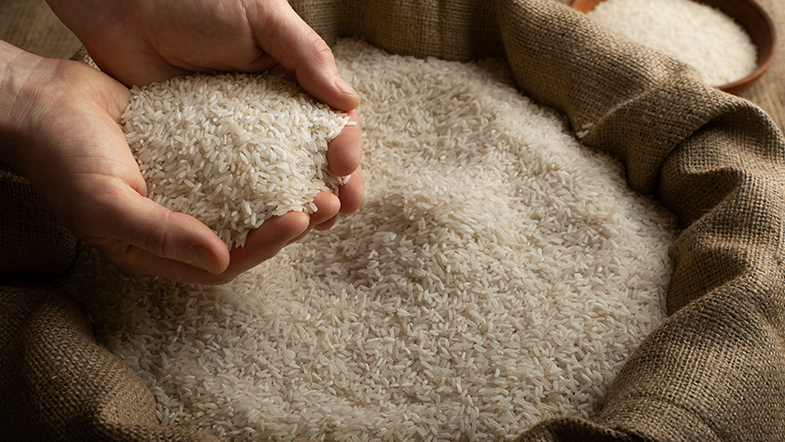
Rice was a major contributor to the increase, up 13.7% from a year ago and 6.4% month-on-month. This reflects the early impact of El Niño, expected to peak in July, alongside higher fertilizer costs that continue to push food prices higher.
What is the impact on local markets?
Philippine Equities
Local equities may start to reflect a tougher environment marked by slower growth and higher inflation. Higher interest rates could weigh on company earnings, while inflation driven by global oil prices may be difficult to control through rate hikes alone. The PSEi support of 5,600 may be tested in the coming days especially if foreign outflow accelerates.
Philippine Fixed Income
The surge in inflation puts upward pressure in rates as the probability of a June BSP tightening move increases. If oil stays elevated, we expect rates especially on the long end to stay elevated. If Middle East risks fade and oil retreats, yields should also ease as the disinflationary trend should influence yields lower.
Dollar Peso Exchange
The Peso is also expected to remain weak as investors stay on the sidelines. Twin deficits and reliance on oil imports remain a headwind for the Peso. In fact, it has been the second-worst performing Asian currency this year, down 4.6% against the US Dollar, just ahead of the Indian Rupee which fell by 5.4%.
What should you do?
We continue to recommend increasing exposure to our global fund products as they remain less vulnerable to the impact of the war. Macroeconomic fundamentals, earnings prospects and investor sentiment remain very favorable in these markets. These have pushed global markets to rally strongly from their lows at the end of March.
Sources: Bloomberg, SLIMTC